The difference between building on the glacial till of the Heights and the soft lakebed clays near the Outer Harbor is night and day. Downtown projects often encounter a complex mix of urban fill overlying these natural deposits, and that is exactly where bearing capacity analysis becomes essential. Engineers here need to know if the soil can support the load, whether it is a 20-story tower or a bridge abutment. We combine standard penetration testing with laboratory triaxial tests to get a reliable picture. Before any foundation design begins, we also run a preload analysis for sites with compressible clays to estimate settlement under load.
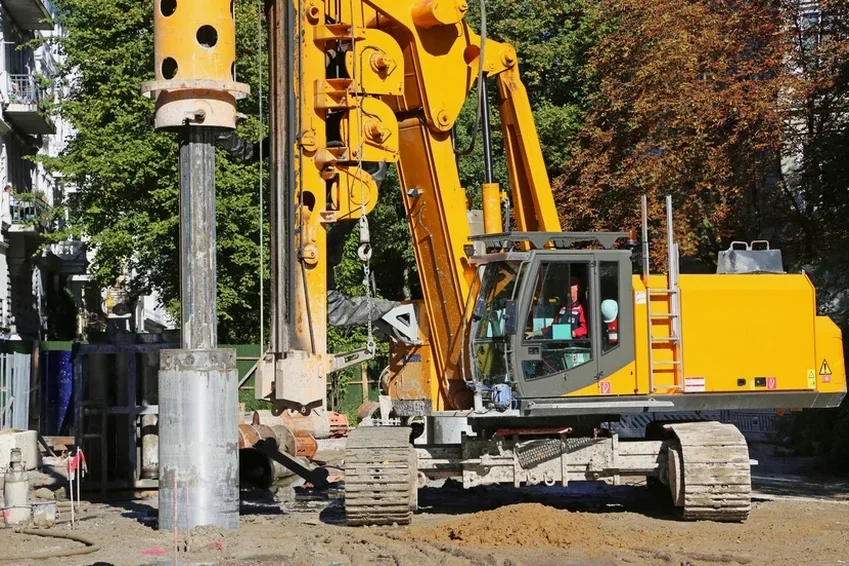
Lakebed clays in Buffalo gain strength with depth but lose it rapidly when saturated — water table control is critical for safe bearing capacity.
Method and coverage
Regional considerations
One mistake we see repeatedly is contractors assuming the stiff surface crust extends deep enough to support the load. That crust is only a few feet thick in many parts of Buffalo — below it lies soft, compressible clay. If you skip the bearing capacity analysis, you risk differential settlement that cracks walls and floors within the first year. We have seen it happen on a 4-story apartment building near the Medical Campus where the corner settled 3 inches more than the center. That is why we always test below the frost line and check the consistency of the clay layers at multiple depths.
Process video
Standards that apply
IBC 2021 (Chapter 18 – Soils and Foundations), ASTM D1586-18 (Standard Test Method for SPT), ASCE 7-22 (Minimum Design Loads for Buildings)
Complementary services
Shallow Foundation Bearing Capacity
Terzaghi and Meyerhof methods applied to footings and mats on glacial till and lacustrine clay. Includes N-value correlation, water table correction, and factor of safety verification per IBC.
Deep Foundation Load Capacity
End-bearing and skin friction analysis for driven piles and drilled shafts. Uses SPT N-values and CPT data to estimate capacity in dense till and bedrock.
Typical parameters
FAQ
What is the typical bearing capacity of soil in Buffalo?
It varies widely. Glacial till in the Heights can support 6,000 to 14,000 psf, while lakebed clays near the waterfront may only handle 3,000 to 6,000 psf. Urban fill downtown is unreliable and often requires removal or improvement.
How much does a bearing capacity analysis cost in Buffalo?
A standard analysis for a residential or small commercial project typically ranges from US$560 to US$1,460, depending on the number of borings, depth of investigation, and laboratory testing required. Larger or more complex sites will be higher.
Do I need a bearing capacity analysis for a small foundation in Buffalo?
Yes, even for a single-family home. Buffalo's soil stratigraphy changes rapidly from till to clay to fill within a single block. A simple analysis prevents future cracking and settlement issues, and most building departments require it for permitting.