Road geotechnics in Buffalo, New York, encompasses the critical discipline of applying geotechnical engineering principles to the design, construction, and maintenance of transportation infrastructure. This category addresses the interaction between pavement systems, underlying soils, and the region's unique environmental challenges. In a city defined by its harsh winters, proximity to Lake Erie, and aging infrastructure, road geotechnics is not merely a technical specialty but a fundamental necessity for ensuring safe, durable, and cost-effective roadways. From the design of robust flexible pavement design capable of withstanding severe freeze-thaw cycles to the implementation of effective geotechnical road drainage systems that prevent premature failure, the discipline directly impacts Buffalo's economic vitality and public safety.
The local geology presents a complex tapestry of conditions that demand specialized geotechnical attention. Much of Buffalo and its surrounding suburbs are underlain by lacustrine silts and clays deposited by ancestral Lake Erie, often interbedded with glacially derived tills. These fine-grained soils are notoriously frost-susceptible, leading to differential heave that can fracture rigid pavements and create dangerous potholes. Furthermore, areas near the Buffalo River and Scajaquada Creek feature compressible organic soils and high groundwater tables, requiring careful subgrade stabilization and preloading techniques. The presence of the Onondaga Escarpment introduces shallow bedrock in certain neighborhoods, which, while providing a firm foundation, complicates utility installations and drainage gradients.
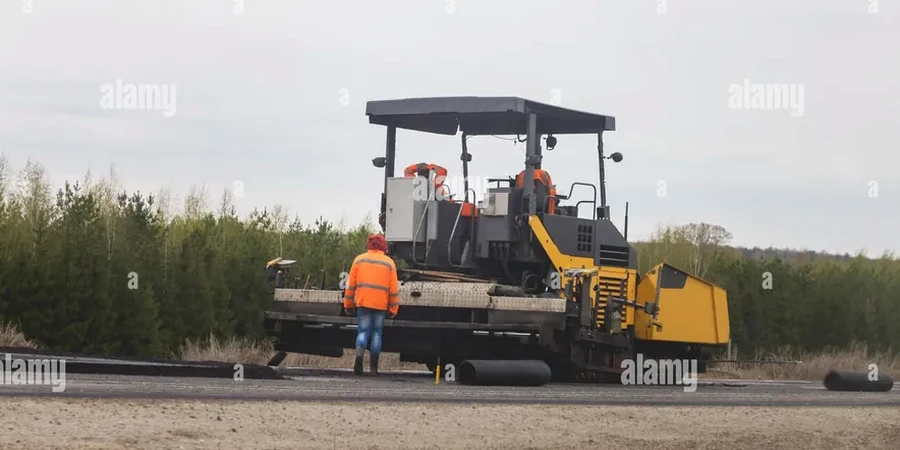
Regulatory compliance in Buffalo is governed by a multi-layered framework. All road projects must adhere to the New York State Department of Transportation (NYSDOT) Standard Specifications, which incorporate rigorous geotechnical investigation protocols, including the Geotechnical Design Manual (GDM-1). These standards mandate minimum bearing capacities, compaction densities, and pavement thickness designs based on soil classification and traffic loading. Crucially, the NYSDOT Comprehensive Pavement Design Manual provides the mechanistic-empirical basis for local designs, directly influencing how services like flexible pavement design are executed. Additionally, the New York State Stormwater Management Design Manual dictates stringent drainage and erosion control measures, making proper geotechnical road drainage a legal and environmental imperative to protect Lake Erie's watershed from sediment and chloride contamination.
The types of projects requiring road geotechnics in Buffalo are diverse and omnipresent. Major corridor reconstructions, such as the Kensington Expressway project, involve deep soil mixing to stabilize weak embankment foundations. Urban street rehabilitation in historic districts like Allentown requires careful evaluation of existing aggregate bases and non-destructive testing to preserve adjacent century-old structures. Commercial and industrial developments, from the Buffalo Niagara Medical Campus to logistics centers in Tonawanda, demand comprehensive geotechnical evaluations for access roads and heavy-duty parking lots designed to support repeated loading without rutting. Even residential subdivisions must address the geotechnical challenges of constructing durable cul-de-sacs and driveways on marginal soils, often requiring chemical stabilization or geogrid reinforcement. Each project scale reinforces the foundational role of geotechnical analysis in mitigating risk and extending the service life of Buffalo's road network.
Common questions
What is the primary geotechnical challenge for road construction in Buffalo?
The predominant challenge is managing frost-susceptible lacustrine silts and clays. These fine-grained soils retain moisture and undergo significant heave during Buffalo's severe winter freeze-thaw cycles, leading to differential movement that cracks pavements and creates potholes. Effective subgrade drainage and replacement with non-frost-susceptible granular material are essential mitigation strategies mandated by NYSDOT standards.
How do NYSDOT standards influence a road geotechnical investigation in Buffalo?
NYSDOT's Geotechnical Design Manual (GDM-1) dictates a rigorous investigation scope including minimum boring depths, sampling intervals, and laboratory testing for grain size, Atterberg limits, and moisture-density relationships. These standards ensure the soil's bearing capacity, consolidation potential, and frost susceptibility are quantified to design a pavement section that meets the 50-year design life for major corridors.
Why is subsurface drainage considered a critical component of road longevity in Western New York?
Subsurface drainage is critical because saturated subgrade soils lose up to 80% of their load-bearing capacity, accelerating rutting and fatigue cracking. In Buffalo's climate, trapped water also intensifies freeze-thaw damage. NYSDOT-compliant geotechnical drainage systems, including permeable bases and edge drains, rapidly remove infiltrated water, preserving the structural integrity of the entire pavement system.
What types of soil stabilization are commonly used for road projects on Buffalo's weak soils?
Common stabilization methods include chemical modification with lime or cement to reduce plasticity and improve workability of wet clays, and mechanical stabilization using geogrids to reinforce aggregate bases over soft subgrades. Deep soil mixing is employed for large embankments, while preloading with surcharge fills is used to consolidate compressible organic soils before paving, all in accordance with NYSDOT specifications.