Foundations serve as the critical interface between any structure and the ground beneath it, transferring loads safely while accommodating the unique subsurface conditions of Western New York. In Buffalo, the significance of proper foundation engineering cannot be overstated, given the city's rich architectural heritage, variable soil profiles, and proximity to Lake Erie. From the historic masonry buildings of Allentown to modern commercial developments along the waterfront, every project demands a foundation system tailored to both structural requirements and local geotechnical realities. This category encompasses the full spectrum of analysis and design services needed to ensure long-term stability, including settlement analysis, bearing capacity evaluation, and deep foundation solutions.
Buffalo's geology presents distinct challenges that directly influence foundation selection and performance. Much of the city is underlain by glacial deposits from the Wisconsin glaciation, resulting in a complex stratigraphy of lacustrine clays, silts, and glacial till overlying bedrock. The low-lying areas near Lake Erie and the Buffalo River often contain soft, compressible soils with high organic content, while upland neighborhoods may feature denser till deposits at shallower depths. These conditions create significant variability in soil strength and compressibility across relatively short distances, making site-specific investigation essential. The presence of expansive clay layers in certain areas adds another dimension to design considerations, as seasonal moisture fluctuations can induce vertical movements detrimental to lightly loaded structures.
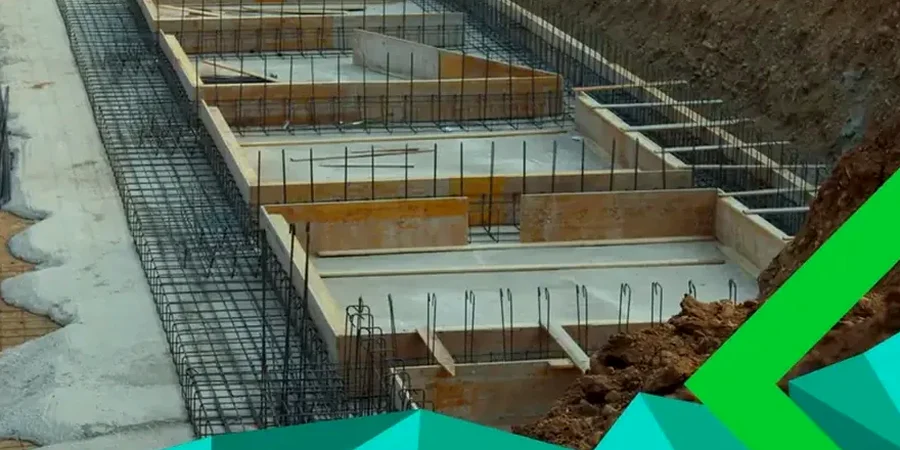
Foundation design in Buffalo is governed by the New York State Uniform Fire Prevention and Building Code, which adopts the International Building Code (IBC) with state-specific amendments. Chapter 18 of the IBC establishes minimum requirements for soils and foundations, referencing ASCE 7 for load combinations and ACI 318 for structural concrete elements. Local jurisdictions, including the City of Buffalo Department of Permit and Inspection Services, enforce these standards and may require additional geotechnical investigation reports for commercial and multi-family residential projects. For deep foundations, the IBC mandates pile skin friction vs. end bearing analysis to verify adequate capacity, while allowable stress design (ASD) or load and resistance factor design (LRFD) methodologies must be employed depending on project specifications. The code also addresses frost depth requirements, which in Erie County extends to 42 inches below grade, influencing foundation embedment depths for all exterior footings.
The types of projects requiring comprehensive foundation engineering services in Buffalo span residential, commercial, and infrastructure sectors. Historic building renovations often demand shallow foundation design that respects existing adjacent structures while upgrading load-bearing capacity. New construction on the city's east side and in redevelopment zones frequently encounters fill materials and requires careful evaluation of bearing capacity analysis to prevent excessive settlement. Waterfront developments, including the Canalside district and Outer Harbor projects, face additional complexities from fluctuating groundwater levels and potential for scour. Industrial facilities near the Buffalo River may require deep pile foundations to bypass compressible alluvial deposits, while residential subdivisions in suburban areas like Amherst and Clarence necessitate lot-specific evaluations to address varying soil conditions across the site.
Common questions
What are the most common foundation types used in Buffalo, New York?
Shallow foundations such as strip footings and mat foundations are common for residential and light commercial buildings where competent soil is present at shallow depths. Deep foundations, including driven H-piles and drilled shafts, are frequently used in waterfront areas and for larger structures where soft lacustrine clays or fill materials require load transfer to deeper glacial till or bedrock. The choice depends on soil conditions, structural loads, and frost depth requirements of 42 inches per local code.
How do local soil conditions in Buffalo affect foundation design decisions?
Buffalo's glacial history has produced highly variable soils, ranging from soft, compressible clays near Lake Erie to dense till in upland areas. These conditions directly influence bearing capacity, settlement potential, and the need for deep versus shallow foundations. Expansive clay layers in some locations can cause seasonal movements, requiring specific design measures such as reinforced footings or moisture control systems to mitigate potential damage to structures.
What building codes govern foundation design in the Buffalo area?
Foundation design in Buffalo follows the New York State Uniform Code, which incorporates the International Building Code (IBC) with state amendments. Key referenced standards include ASCE 7 for loading, ACI 318 for concrete design, and IBC Chapter 18 for soils and foundations. The City of Buffalo Department of Permit and Inspection Services enforces these requirements and typically mandates geotechnical investigations for commercial and multi-family projects.
When is a deep foundation necessary instead of a shallow foundation in Western New York?
Deep foundations become necessary when near-surface soils lack adequate bearing capacity or when settlement under shallow footings would exceed acceptable limits. In Buffalo, this commonly occurs in areas with thick deposits of soft clay, uncontrolled fill, or high groundwater tables, particularly near Lake Erie and the Buffalo River. Deep piles or drilled shafts transfer loads to competent till or bedrock at depth, bypassing problematic surficial layers.